
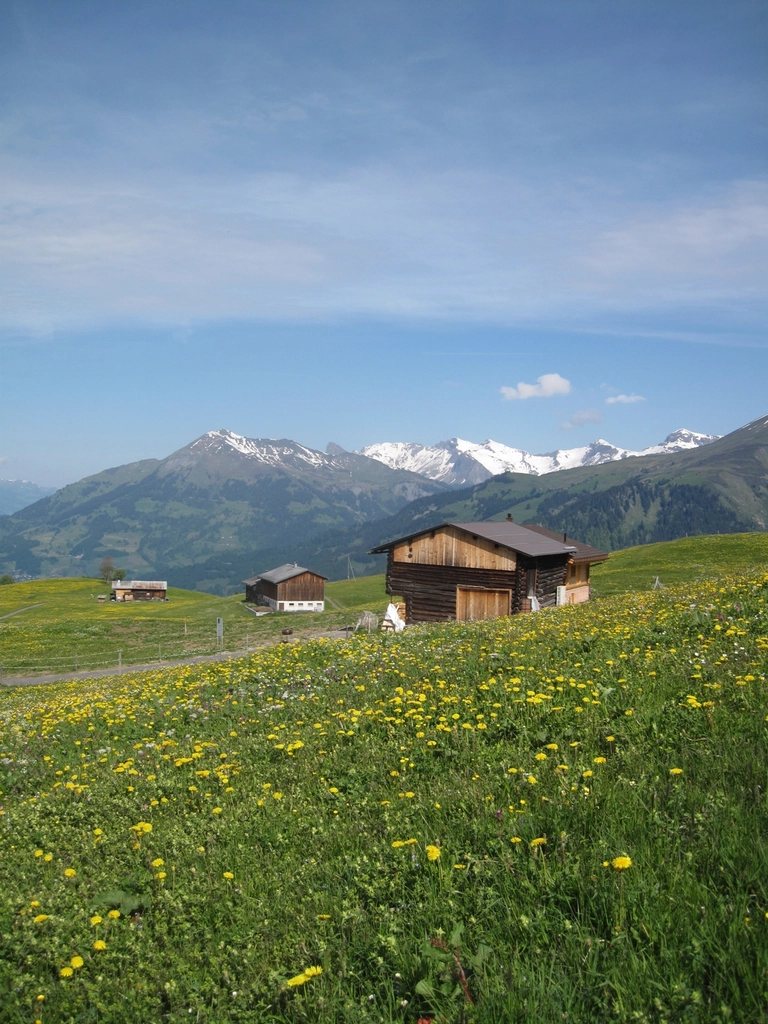
Nobody walks into the mountains to think about money, and yet the second most common question from people planning a first hut-to-hut route, after “how do I book”, is “how much cash do I need”. It is a fair question, because the answer is not the same in every range, and because a hut at 2,700 m with no phone signal cannot always run a card terminal. Here is how paying for beds and meals works, in general terms, from the Dolomites to the Pyrenees, and how much of it comes out of a zipped pocket in notes.
Cash first, card sometimes
The single most useful rule is this: assume every hut takes cash, and treat a card as a pleasant surprise. Large huts near cable cars and roads in Switzerland, Austria, the Dolomites and the French Alps increasingly have card terminals, and a few high huts have them on a satellite connection. But the terminal depends on power and signal, both of which fail in bad weather, and when the terminal is down the hut still expects to be paid. Small private huts, the refuges of the Pyrenees, the huts of Corsica and most of the Slovenian and Tatra huts are still largely cash businesses, and some of them say so plainly on their websites and at the door.
The practical approach is to carry enough cash for two or three nights of half board plus drinks, and to top up at every village bank machine you pass. On a ten-day route with a valley day in the middle, that means two withdrawals. Cash machines are not rare in Alpine villages, but they are rare at 2,000 m. Keep the notes in a zip bag in a pocket rather than at the bottom of the pack, and keep a few small notes and coins for showers, which are often coin-operated, and for the honesty box at the unstaffed shelters.
Currencies across the ranges
Most of Europe’s hut country is in the euro: Italy, France, Spain, Slovenia, Austria, Germany and Slovakia. Switzerland uses the Swiss franc, though many Swiss huts near the borders will accept euros at a rate that is not in your favour. Poland uses the zloty, so the Tatra huts on the Polish side are priced in that currency, and the Slovak side in euros. Card payments abroad work with any standard card, but some huts add a small fee for card use, and a card with no foreign transaction charges is worth having if you cross borders often.
What a bed and a dinner cost, in general terms
Prices vary by country, by altitude and by whether you are a member of an alpine club, so ranges are given here rather than numbers. In the Dolomites and the Austrian and German Alps, half board for a non-member in a dormitory sits in the middle of the range of European hut prices; club members get a meaningful discount on the bed, typically a third to a half, and the meal price is the same for everyone. Switzerland is the most expensive, and a night with dinner and breakfast in a high Swiss hut can be nearly double the Dolomites. The French refuges and the Pyrenean huts, on both sides of the border, are a little cheaper than the Dolomites for a similar package. Corsica’s refuges on the long ridge route are basic and priced accordingly, but you buy food separately and there is less of it. Slovenia and the Tatras are the least expensive by a clear margin, and a dinner in a Slovak or Polish hut is often a fraction of what the same stew costs in the Alps.
Within one country, altitude is the next factor. A hut that is served by a road or a cable car pays little for supplies. A hut that is supplied by helicopter several times a summer pays a great deal, and a beer or a slice of cake there will reflect it. Nobody is being cheated; the price is the price of flying flour up a mountain.
What the half board price includes
- A bed in a dormitory or small room, with mattress, pillow and blankets, but not sheets.
- A set dinner of three or four courses at a fixed time, without drinks.
- A simple breakfast, usually bread, spread, hot drinks, sometimes muesli or an egg.
- Tap water in the dining room in most huts, though a few high huts charge for drinking water because it is flown in or filtered.
Everything else is extra: beer, wine, soft drinks, bottled water, coffee outside breakfast, cake, a packed lunch, the shower token, and in some huts a small charge for charging a phone. These extras are where the bill grows, and it is easy to spend as much on drinks over an evening as on the bed. A hut lunch in the middle of a stage, a plate of pasta or a soup and a slice of bread, adds a modest amount per day; carrying your own lunch from the valley for a few days is the simplest saving on the whole route.
How the bill works
Most huts run a tab. You give your name and bunk number at check-in, order drinks and food by name during the evening, and settle everything in the morning after breakfast. Some huts, particularly the busy ones, ask for payment on arrival for the bed and meals, then take the extras in the morning. Keep a rough count of what you order; it is easy to lose track over a long evening, and the warden’s list is nearly always right. In the small huts with only a few staff, the warden will be cooking at the moment you want to pay, so settle up the night before if you plan to leave at dawn.
Two habits will make you welcome everywhere. Pay in the currency of the country in reasonable notes, not a single large one for a small bill. And if the hut has done something for you beyond the normal service, dried your boots on the stove, kept a plate warm because you arrived late, found you a bed when you had no booking, a small tip left with the bill is appreciated and rare.
A budget for ten days
Take the half board price for the country you are walking in, add a third for drinks, lunches and showers, multiply by the number of hut nights, and then add a cushion of one extra night in case the weather holds you somewhere. Carry a third of that total in cash at the start, and refill as you go. If you are a member of an alpine club, or become one before you leave, the saving on ten nights of beds in Alpine club huts will usually cover the membership fee, and the club card in your pocket also buys you a certain warmth from the warden that no currency can.