
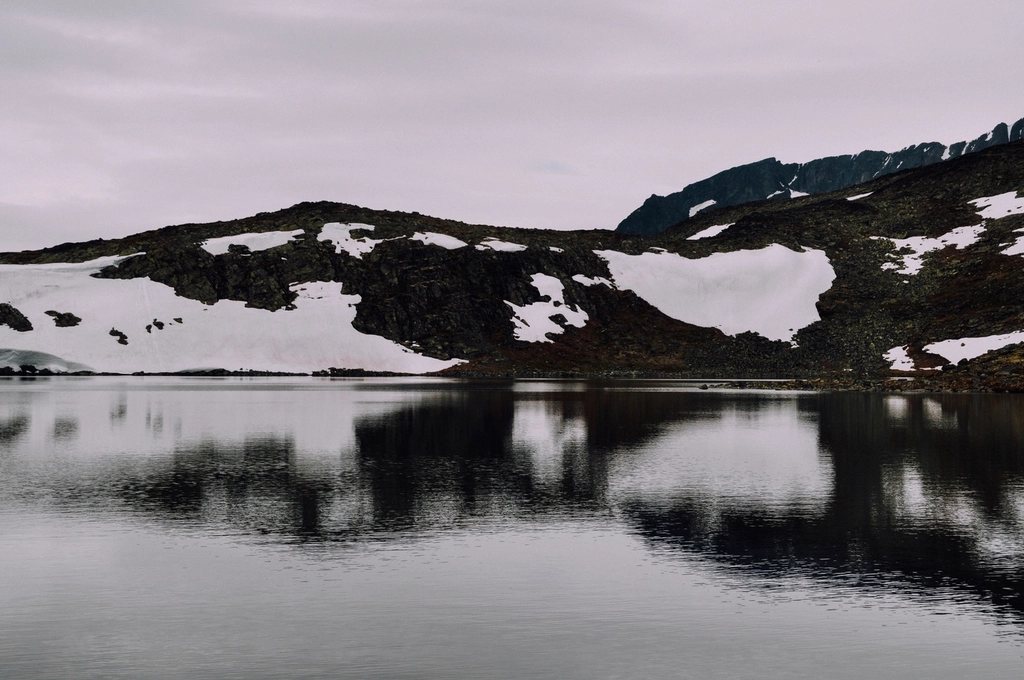
Rila is the roof of the Balkans. Musala, at 2,925 m, is the highest summit between the Alps and the Caucasus, and the massif around it holds nearly 200 glacial lakes, a dozen huts, a millennium-old monastery and a national park of 810 square kilometres. It is also, for the hut-to-hut walker, unusually easy to organise: two lifts deliver you above 2,000 m, the huts lie two to five hours apart, and the marking, on the tall poles that also guide winter travellers, is among the best in Eastern Europe. Rila divides naturally into two acts, the Seven Lakes on the western side and Musala on the eastern, with a high traverse between them for those with a week.
Act one: the Seven Lakes
The Seven Rila Lakes fill a staircase of cirques at between 2,095 and 2,535 m on the north-western edge of the massif. Each has a name for its shape: the Tear at the top, the Eye below it, then the Kidney, the Twin, the Trefoil, the Fish Lake and the Lower Lake. The Eye is the deepest cirque lake in Bulgaria at 37.5 m; the Twin is the largest by area; the Tear, at the top of the staircase, is the smallest and clearest. A chairlift from the hut at about 1,600 m at the road end above Panichishte carries walkers to the hut at the lakes, at roughly 2,100 m, in twenty minutes, which is why the lower lakes can be busy on an August weekend.
The classic loop climbs from the hut past the Fish Lake to the Tear, at 2,535 m, and returns along the rim by the Kidney and the Twin: four to five hours, about 500 m of ascent, and a view from the top over all seven at once. Sleeping at the lakes hut, or at the older hut by the Fish Lake, buys the morning before the chairlift opens, when the cirques are silent and the water is still.
Crossing to the monastery
From the lakes a second day carries you south over the ridge to the Rila Monastery, the country’s most celebrated building, founded in the tenth century and rebuilt in its present form in the nineteenth, at 1,147 m in the valley of the Rilska river. The path climbs from the Tear to the Razdela saddle at about 2,600 m, then descends past the hut on the Malyovitsa side, at 2,300 m, and through the forest to the monastery in six to seven hours. The final hours are a descent of more than 1,000 m, through beech and pine, to the monastery gates and its guest rooms, which take walkers in the simplest quarters imaginable. It is one of the great finishes in European hiking: a day that begins among lakes and ends in a frescoed courtyard.
Act two: Musala from the north
The Musala side starts at the resort of Borovets, at about 1,300 m, and a gondola that climbs to the Yastrebets ridge at 2,369 m. From the top station a path contours to the hut below Musala, at 2,389 m, beside a small lake, in less than an hour. That is the standard overnight: half board, a dormitory, and an early start. The trail then climbs through the Musala lakes, a chain of tarns in a granite cirque, to the little refuge at the Icy Lake, at 2,709 m, the highest shelter in the country, and on by a stony ridge to the summit. Three hours from the hut to the top, about 550 m of ascent, is a fair average; the summit carries a weather station and a small refuge, and on a clear day the view runs to Pirin, to the Rhodopes and, on the horizon, to the mountains of northern Greece.
Musala is not technical, but it is high. Snow lies on the final ridge into June and returns in September, cloud gathers by midday even in settled weather, and the temperature on top is routinely ten degrees below that at Borovets. Snow can fall on the summit even in July. The gondola runs in summer from roughly mid-June to late September, with the hut season slightly longer at each end.
The high traverse between the two
The finest way to join the two acts is on foot, along the spine of the massif. From the Musala hut the route goes south-west to the hut at Granchar, at 2,186 m, then west along the ridge to the hut at Zavrachitsa, at 2,180 m, and on through the Kirilova meadow to the monastery. Three days, each of five to seven hours, mostly above 2,000 m on open grass and boulder fields. The huts on this stretch are simpler than those at the lakes or below Musala: a warm room, a hot meal if the warden has provisions, and bunks. A little extra food is worth carrying. Seasons are shorter here too: the ridge huts open in general terms from late June to the middle of September.
Hut culture, Bulgarian style
Bulgarian huts have their own rhythm. Half board is offered at the larger ones, but the menu is short and the cooking honest: bean soup, grilled meat, a chopped salad with white cheese, bread. Beds are cheap by Alpine standards and bookings are usually possible by telephone rather than online, which means a Bulgarian-speaking friend, or the goodwill of the previous hut, is worth having. Payment is in cash. What the huts lack in comfort they repay in welcome: it is not unusual to be handed a glass of the house spirit before you have taken off your boots.
- Marking: coloured blazes on rocks in summer, tall metal poles across the open ridges for winter navigation.
- Water: abundant, the massif is a granite sponge, but treat it below the sheep pastures.
- Access: buses from Sofia to Borovets, Sapareva Banya and the monastery, all within two hours of the capital.
- Weather: afternoon storms from mid-July, snow on the tops possible in any month.
A week is enough for both acts and the traverse between them; a long weekend is enough for either one. Rila asks little of the walker beyond fitness and a willingness to be surprised by how high, how green and how quiet a Balkan mountain can be.